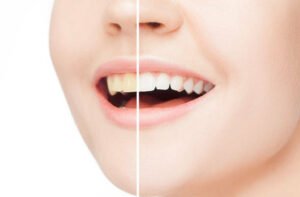


Composite bonding is a cosmetic dental treatment used to repair chipped, discoloured, or uneven teeth. The cost per tooth can vary depending on factors such as the dentist’s experience, location, and the complexity of the case. Understanding these factors helps patients make informed decisions.
Many people want to improve their smile without complex dental procedures. Composite bonding is a popular cosmetic treatment that can quickly fix minor imperfections. It uses tooth-coloured resin to reshape or repair teeth. Understanding how the treatment works and what affects the cost helps you plan your dental care with confidence.
What Is Composite Bonding?
Composite bonding is a cosmetic dental treatment that uses a tooth-coloured resin material to improve the shape and appearance of teeth. The material is carefully applied and polished to blend with natural teeth.
Dentists commonly use composite bonding to repair chips, close gaps, and improve tooth colour or shape.
Factors That Affect the Cost of Composite Bonding
Several factors influence the cost of composite bonding treatment.
- Location of the dental clinic – Prices may vary between cities and smaller towns.
- Experience of the dentist – Highly experienced cosmetic dentists may charge more for their expertise.
- Number of teeth treated – Costs are usually calculated per tooth.
- Complexity of the treatment – Teeth requiring more reshaping or repair may require additional work.
- Quality of materials used – High-quality composite materials may improve durability and appearance.
These factors mean that treatment costs can differ from one patient to another.
Benefits of Composite Bonding
Composite bonding offers several advantages for improving your smile.
- Quick cosmetic improvement
- Minimally invasive treatment
- Natural-looking results
- No major drilling or surgery required
- Suitable for repairing small chips and gaps
Many patients choose composite bonding because it provides noticeable improvements in a short time.
How Composite Bonding Works
1: Dental consultation and assessment
Your dentist examines your teeth and discusses the desired improvements.
2: Preparation of the tooth surface
The tooth is gently prepared so the bonding material can attach properly.
3: Application of composite resin
A tooth-coloured resin is applied, shaped, and hardened using a special light.
4: Shaping and polishing
The bonded tooth is polished to match the surrounding teeth.
5: Final smile review
Your dentist checks the result to ensure the bonded tooth blends naturally with your smile.
How to Maintain Composite Bonding
Proper care helps extend the life of composite bonding.
- Brush and floss daily
- Avoid biting hard objects
- Limit foods that stain teeth
- Attend regular dental check-ups
Good oral hygiene helps keep the bonded teeth looking natural for longer.
Improve Your Smile with GK Dental Implants and Cosmetic Clinic
If you are considering composite bonding, the team at GK Dental Implants and Cosmetic Clinic can help you explore your options. During your consultation, your dentist will examine your teeth and recommend the most suitable treatment.
A personalised treatment plan helps ensure natural-looking results and long-lasting improvements to your smile.
Booking a consultation is the first step toward enhancing your confidence, improving your dental health, and learning more about treatments from the best Invisalign provider Aberdeen patients trust.
Frequently Asked Questions
What is composite bonding used for?
Composite bonding is used to repair chipped teeth, close small gaps, reshape uneven teeth, and improve tooth colour.
How long does composite bonding last?
Composite bonding can last several years with proper care and regular dental visits.
Is composite bonding painful?
Composite bonding is usually painless and often does not require anaesthesia.
Can composite bonding stain over time?
Yes. The resin material can stain if exposed to foods and drinks such as coffee, tea, or red wine.
How long does the procedure take?
Composite bonding is usually completed in a single dental visit, depending on the number of teeth treated.
Is composite bonding reversible?
Yes. Because the procedure is minimally invasive, the bonding material can often be adjusted or replaced if needed.
For more information Click here….